Transformative Technologies: Innovations Shaping the Future of Diversity, Equity and Inclusion (DEI)
The future of Diversity, Equity, and Inclusion (DEI) will not be determined solely by policies, training sessions, or diversity targets. Increasingly, it will be shaped by technology. As organizations…
The future of Diversity, Equity, and Inclusion (DEI) will not be determined solely by policies, training sessions, or diversity targets. Increasingly, it will be shaped by technology. As organizations navigate a rapidly changing world of work, emerging technologies are creating unprecedented opportunities to reduce barriers, amplify underrepresented voices, and build more equitable workplaces. At the same time, these technologies introduce new risks, including algorithmic bias, digital exclusion, and privacy concerns.
The central question facing organizations today is not whether technology will influence DEI, but whether it will do so intentionally and responsibly. When designed with human needs at the center, transformative technologies can become powerful tools for inclusion rather than instruments that reinforce existing inequalities.
Artificial Intelligence and the Fight Against Bias
Artificial Intelligence (AI) is perhaps the most influential technology shaping the future of DEI. Organizations are increasingly deploying AI in recruitment, talent management, employee engagement, and performance assessment. Properly designed AI systems can help identify patterns of discrimination that often go unnoticed by human decision-makers. AI can analyze hiring trends, promotion rates, pay equity data, and employee sentiment to reveal systemic inequities and support evidence-based interventions.
For example, AI-powered recruitment tools can reduce unconscious bias by focusing on skills and competencies rather than demographic indicators. However, research also highlights that AI can reproduce historical discrimination if trained on biased datasets. Several studies have described AI as a "double-edged sword" for DEI, capable of promoting fairness while simultaneously amplifying inequities if governance mechanisms are absent.
In Nigeria and across Africa where biases across ethno-religious lines and gender lines are more prevalent, AI presents significant opportunities to democratize access to employment. Digital recruitment platforms powered by AI can connect talent from underserved regions with employers, reducing geographic barriers that have historically limited opportunities. Yet this promise can only be realized if organizations put their foundational biases aside and ensure transparency and accountability in algorithmic decision-making.
Assistive Technologies and Digital Accessibility
One of the most transformative developments in DEI is the rise of intelligent assistive technologies. For decades, accessibility was viewed as a specialized accommodation for people with disabilities. Today, advances in AI, speech recognition, computer vision, and natural language processing are making accessibility mainstream.
Real-time captioning tools, screen readers, speech-to-text applications, and AI-powered communication systems are enabling people with disabilities to participate more fully in education and employment. Emerging technologies now support non-verbal individuals through predictive communication systems and adaptive interfaces that personalize communication based on user needs.
Globally, more than one billion people live with some form of disability, making accessibility not only a social responsibility but also an economic imperative. Technologies that improve accessibility often benefit everyone. Closed captions assist not only individuals with hearing impairments but also employees working in noisy environments. Voice assistants help people with mobility challenges while improving convenience for all users.
In Nigeria, where accessibility infrastructure remains underdeveloped in many institutions, digital assistive technologies offer an opportunity to leapfrog traditional barriers. Educational institutions, government agencies, and employers can leverage these technologies to improve participation and economic inclusion for persons with disabilities.
Data Analytics and Inclusive Decision-Making
One of the persistent challenges in DEI is the inability to measure progress effectively. Organizations often struggle to understand where inequities exist and whether interventions are producing meaningful outcomes.
Advanced analytics platforms are changing this reality by enabling organizations to collect and interpret workforce data more effectively. Predictive analytics can identify disparities in hiring, retention, promotion, and compensation. Employee experience platforms can analyze workplace sentiment across demographic groups, helping leaders detect inclusion challenges before they become systemic problems.
Data-driven DEI strategies are particularly relevant in emerging economies where informal assumptions often substitute for evidence. By grounding decisions in measurable outcomes, organizations can move beyond performative commitments toward genuine accountability.
Immersive Technologies and Empathy Building
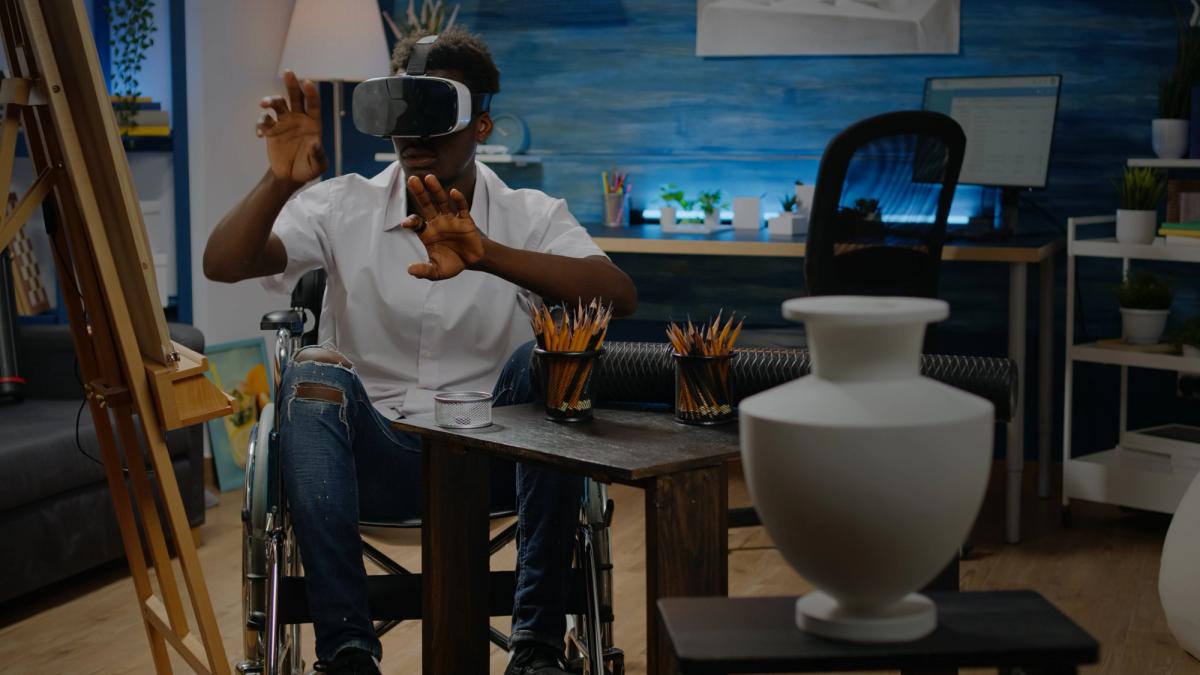
Virtual Reality (VR) and Augmented Reality (AR) are emerging as powerful tools for inclusion training and empathy development. Traditional diversity training programs often struggle to create lasting behavioral change. Immersive technologies, however, allow participants to experience situations from perspectives different from their own.
For example, VR simulations can help employees understand the challenges faced by individuals with disabilities, older workers, or marginalized groups. By creating experiential learning environments, these technologies foster empathy and increase awareness of unconscious biases.
Although adoption remains limited in Africa due to infrastructure costs, falling technology prices and expanding internet access may make immersive learning solutions increasingly accessible over the next decade.
Language Technologies and Global Inclusion
Language remains one of the most significant barriers to inclusion in multinational organizations. AI-powered translation and multilingual communication tools are helping bridge these divides.
Modern language models can facilitate real-time translation across dozens of languages, enabling more inclusive participation in meetings, training programs, and collaboration platforms. For African workplaces characterized by linguistic diversity, such technologies can help reduce exclusion and improve knowledge sharing.
In Nigeria alone, where hundreds of indigenous languages coexist alongside English, language technologies have the potential to broaden access to education, public services, and employment opportunities.
Technology alone cannot create inclusive workplaces. Inclusion remains fundamentally a human endeavor rooted in respect, belonging, and equitable opportunity. However, emerging technologies are providing organizations with tools that previous generations could only imagine.
Artificial intelligence, assistive technologies, advanced analytics, immersive learning platforms, and multilingual communication tools are reshaping how organizations approach DEI. Their success, however, depends on ethical implementation, inclusive design, and continuous human oversight. The future of DEI will belong not to organizations that simply adopt new technologies, but to those that use them to expand opportunity, remove barriers, and ensure that every individual can contribute fully and authentically.